Labial hypertrophy refers to enlargement or asymmetry of the labia, most commonly the labia minora. While there is wide variation in normal anatomy, some women experience physical discomfort or emotional distress related to excess labial tissue. Determining the best labial hypertrophy treatment requires understanding anatomy, symptoms, and the full spectrum of available options.
This guide explains how specialists evaluate treatment for labial hypertrophy, when intervention is appropriate, and how to decide between conservative measures and labial hypertrophy surgery.
Understanding Labial Hypertrophy
What Is Labial Hypertrophy?
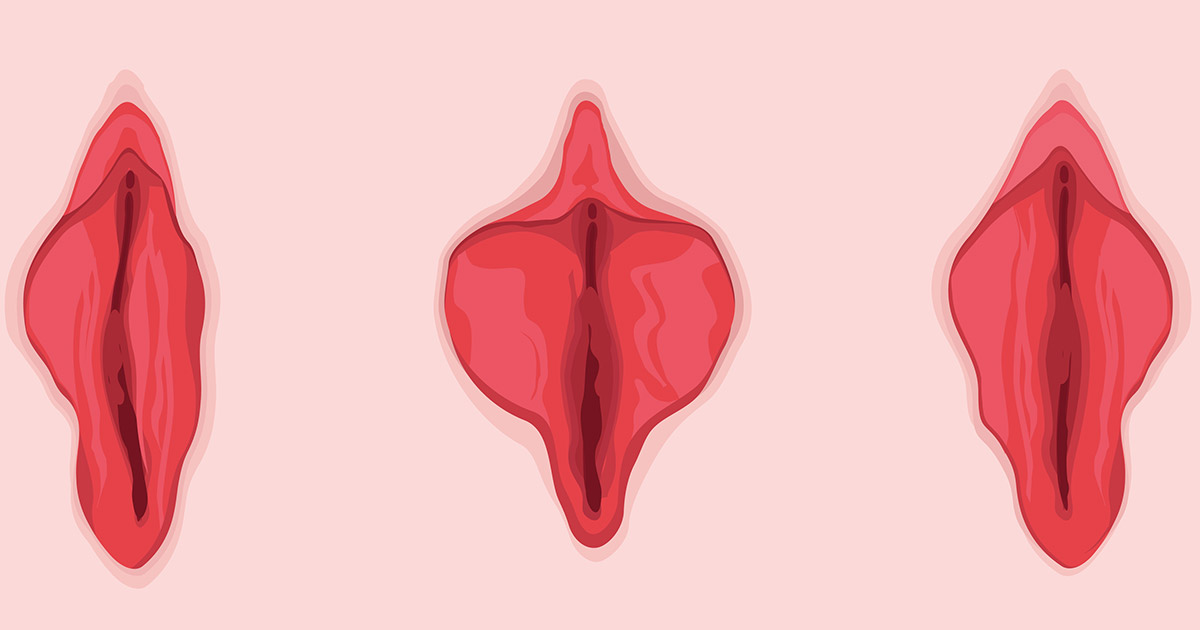
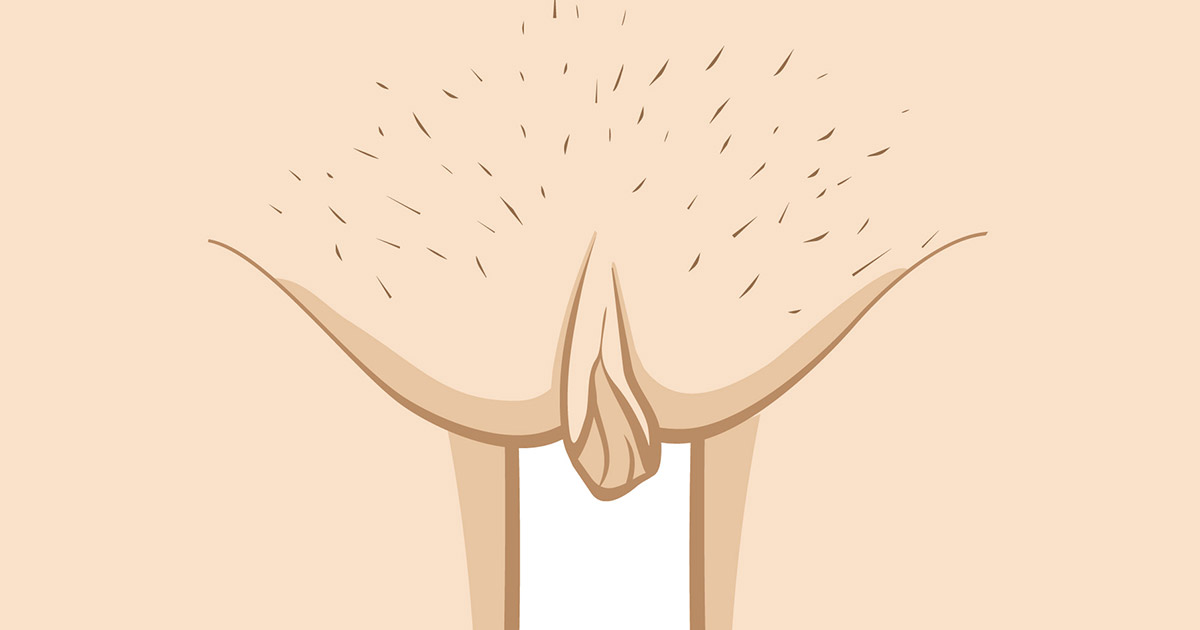
Labial hypertrophy typically involves enlargement of the labia minora, which are the inner folds of the vulva, a condition medically referred to as labial minora hypertrophy. In some cases, the labia majora may also be enlarged or asymmetrical.
No universally accepted measurement defines abnormal size. Many gynecologic and plastic surgery experts emphasize that variation is normal. The condition becomes clinically relevant when symptoms arise, such as:
- Chronic irritation or chafing
- Pain during intercourse
- Discomfort during cycling or exercise
- Hygiene challenges
- Recurrent infections from moisture retention
Before exploring how to treat labial hypertrophy, it is important to determine whether the concern is functional, cosmetic, or both.
How Common Is Labial Hypertrophy?
Patients often ask how common labial hypertrophy is and whether their anatomy is unusual. Studies and clinical observations suggest that visible labial protrusion is very common1. There is significant anatomical diversity, and no single “normal” appearance.
When discussing prevalence in medical practice, surgeons frequently explain how common labial hypertrophy is among women seeking consultation. However, not all cases require medical treatment. Many individuals simply have naturally prominent labia without symptoms, and understanding that this variation is widespread helps reduce stigma and anxiety. Treatment decisions should be based on symptoms and personal goals rather than comparisons to media imagery.
Does Labial Hypertrophy Go Away?
A frequent concern is whether labial hypertrophy goes away on its own. In most cases, the answer is no. If enlargement is genetic or developed during puberty, it typically remains stable throughout adulthood.
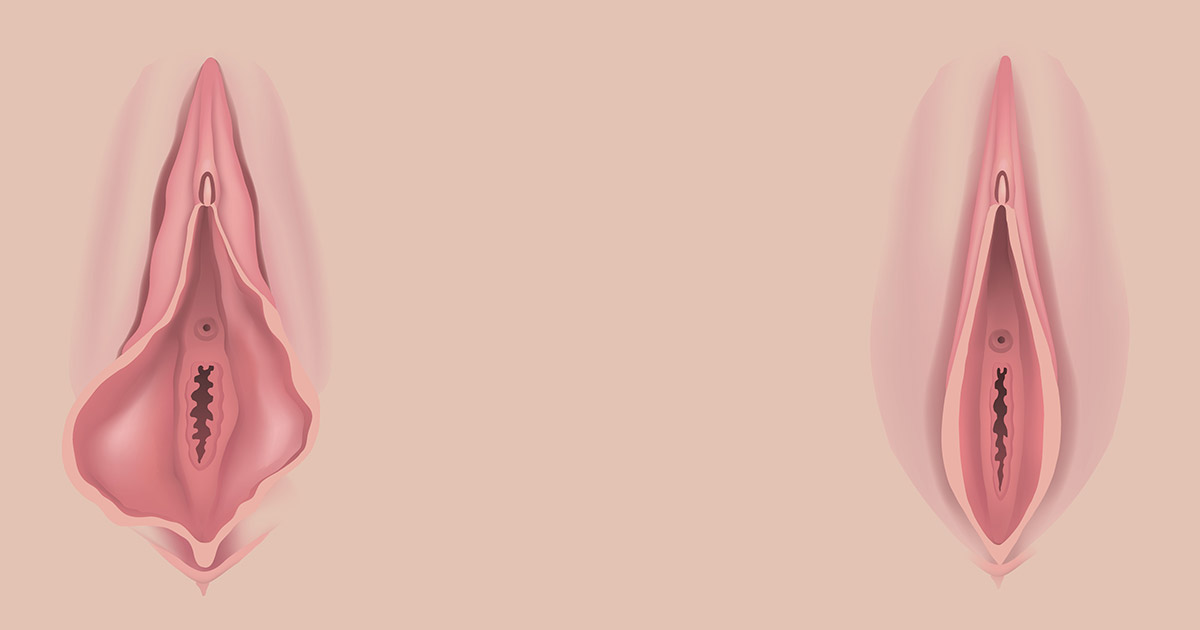
Hormonal changes during pregnancy or aging may alter tissue elasticity, but they do not usually reverse existing enlargement. Therefore, when patients experience persistent symptoms, structured labial hypertrophy treatment may be necessary.
Causes of Labial Hypertrophy
Understanding causation guides appropriate treatment for labial hypertrophy. Common contributing factors include:
- Genetic predisposition
- Hormonal changes during puberty
- Pregnancy and childbirth
- Aging and collagen loss
- Chronic mechanical irritation
In rare instances, endocrine disorders or inflammatory conditions may contribute. A proper evaluation by qualified labial hypertrophy doctors is essential to rule out underlying pathology before recommending intervention.
Labial Hypertrophy Treatment Without Surgery
For patients with mild symptoms, labial hypertrophy treatment without surgery may provide some relief. These approaches focus on symptom management rather than tissue reduction.

Lifestyle Modifications
- Wearing loose, breathable clothing
- Using moisture-wicking undergarments
- Applying protective barrier creams
- Avoiding high-friction activities when symptomatic
These strategies represent a form of labial hypertrophy’s natural treatment in that they support comfort without medical procedures.
Medical Management
In select cases involving inflammation or dermatitis, topical medications may reduce irritation. However, they do not reduce tissue size. Patients exploring how to treat labial hypertrophy conservatively should understand that non-surgical options offer symptom control but not structural correction.
It is important to emphasize that labial hypertrophy treatment without surgery cannot permanently decrease labial dimensions. For individuals whose primary concern is excess tissue bulk, surgery remains the only definitive method.
Labial Hypertrophy Natural Treatment: What Is Realistic?
Many online sources promote herbal creams or tightening products as labial hypertrophy natural treatment options. Scientifically, there is no evidence that topical products can shrink labial tissue safely or effectively2.
While lifestyle adjustments may reduce friction and swelling, they do not address anatomical enlargement. When patients ask whether labial hypertrophy goes away with natural remedies, clinicians must provide clear, evidence-based guidance.
Natural strategies can improve comfort. They cannot replace medically supervised labial hypertrophy treatment when significantly excessive tissue is present.
When Is Surgery the Best Treatment for Labial Hypertrophy?
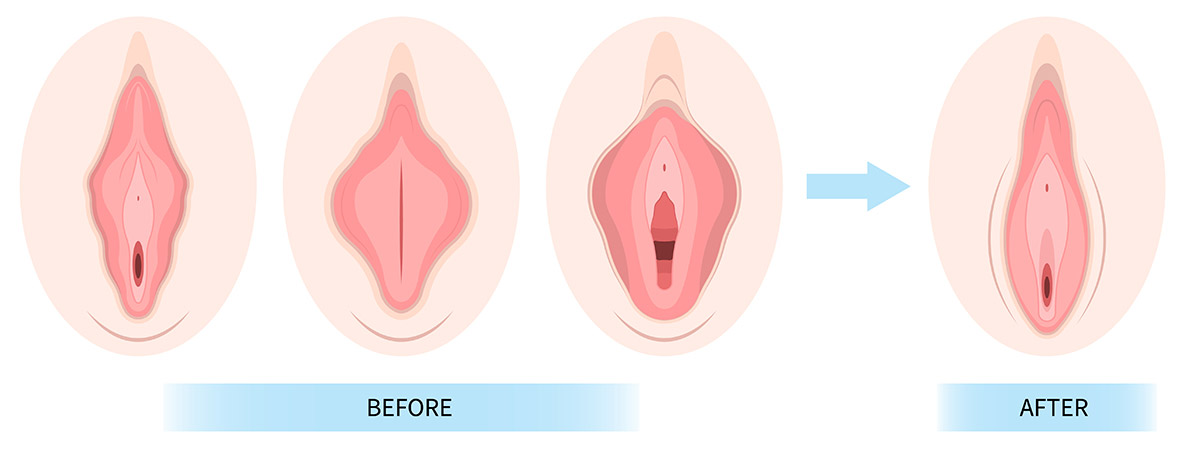
For moderate to severe cases, labial hypertrophy surgery offers the most reliable and lasting results. This procedure, commonly known as labiaplasty, reduces and reshapes excess tissue.
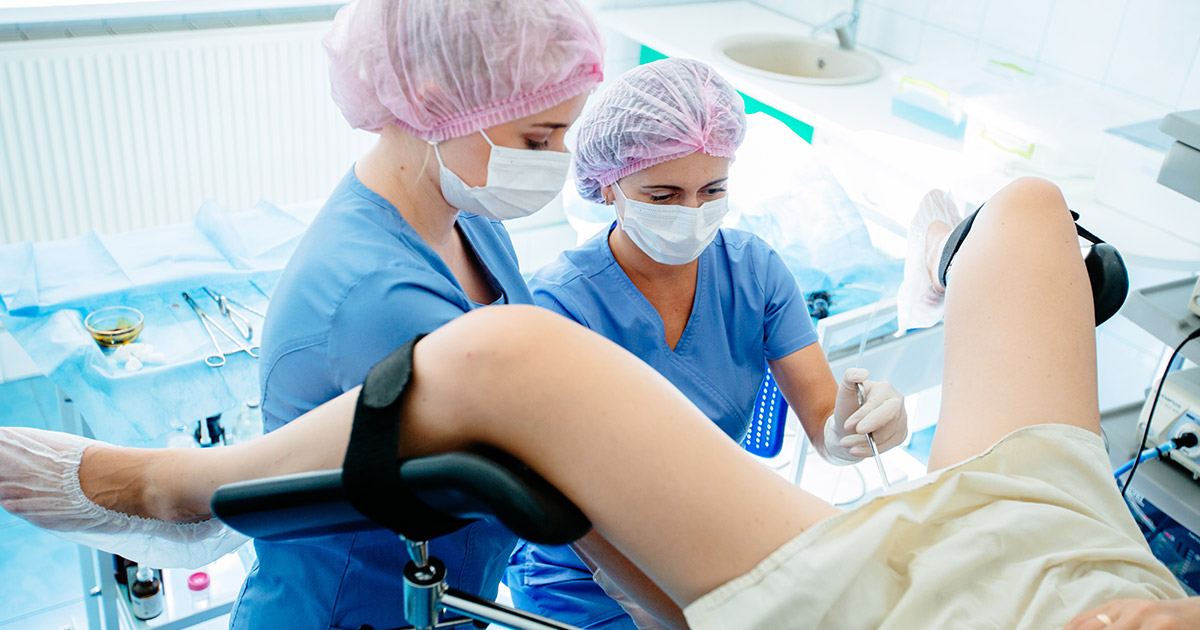
From a functional standpoint, labiaplasty surgery is often the best treatment for labial hypertrophy when patients experience:
- Persistent physical discomfort
- Recurrent tearing or irritation
- Pain during sexual activity
- Interference with exercise or hygiene
From a cosmetic perspective, labiaplasty may also improve self-confidence and body image when concerns are significant and persistent.
Labiaplasty Techniques
Understanding surgical techniques helps patients make informed decisions about labial hypertrophy treatment.
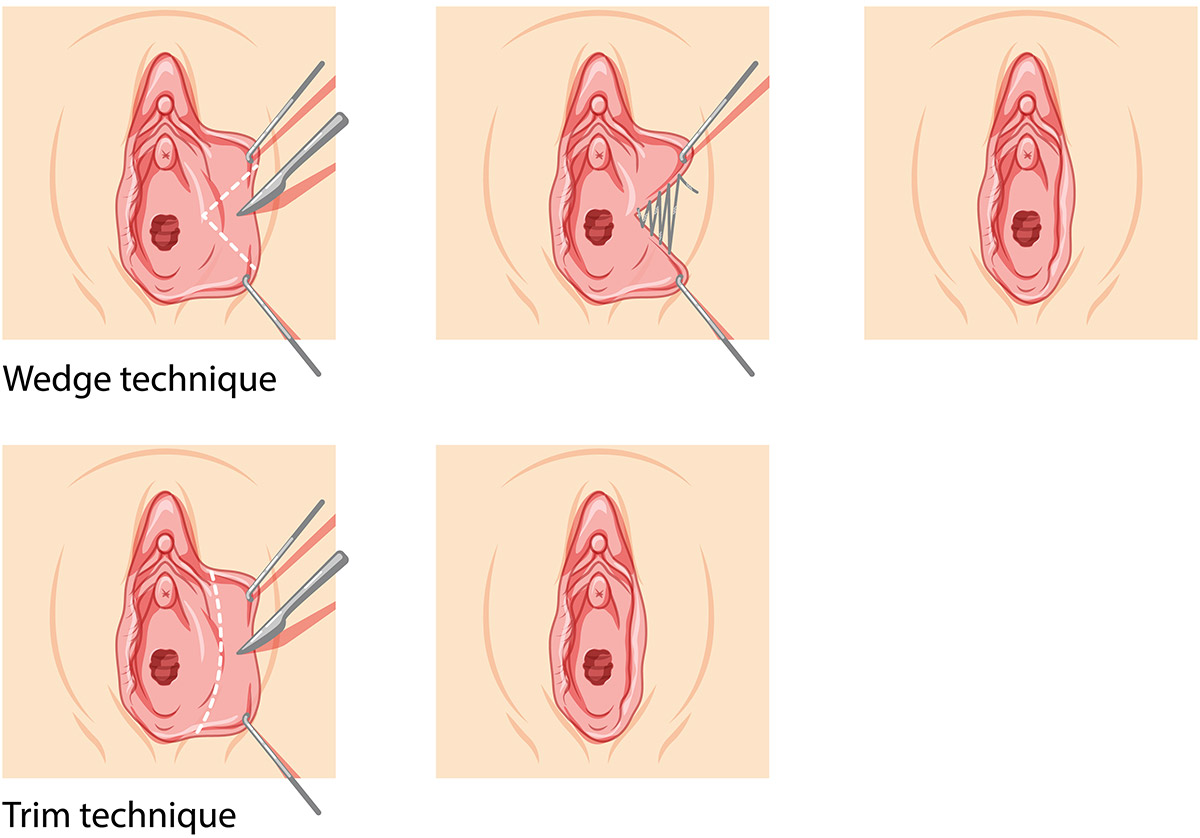
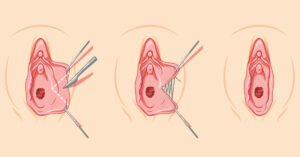
Trim Technique
The trim method removes excess tissue along the outer edge of the labia. It is straightforward and effective for significant protrusion. This is one of the most common forms of labial hypertrophy surgery.
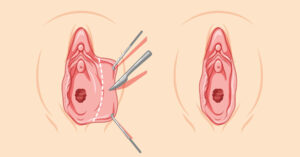
Wedge Technique
The wedge technique removes a V-shaped portion of tissue from the thickest area while preserving the natural edge. It maintains pigmentation and contour, which may be preferable in selected cases of labial minora hypertrophy.
Laser vs Scalpel Approaches
Some clinics advertise laser procedures as superior. In reality, outcomes depend more on surgical expertise than on the instrument used. Skilled labial hypertrophy doctors focus on preserving sensation, minimizing scarring, and maintaining symmetry.
Risks and Recovery
Any surgical labial hypertrophy treatment carries potential risks:
- Swelling and bruising
- Temporary discomfort
- Infection, which is rare
- Over-resection leading to dryness or sensitivity changes
Initial recovery typically involves reduced activity for one to two weeks. Most patients resume normal routines within four to six weeks, although final tissue remodeling and scar maturation may continue for several months. When performed by experienced labial hypertrophy doctors, complication rates are low, and satisfaction rates are high3.
Patients considering surgical treatment for labial hypertrophy should prioritize board certification, surgical experience, and documented results.
How to Choose the Right Doctors
Selecting qualified labial hypertrophy doctors significantly influences outcomes. Look for:
- Board certification in plastic surgery or gynecology
- Specialized experience in genital procedures
- Transparent consultation processes
- Before and after photos
- Detailed discussion of risks and expectations
Patients should feel comfortable discussing both functional concerns and aesthetic goals. Ethical providers recommend labial hypertrophy treatment without surgery when surgery is unnecessary.
Labial Hypertrophy and Vaginal Rejuvenation
Some patients explore types of vaginal rejuvenation treatments in addition to labiaplasty. These may include energy-based treatments for vaginal laxity or cosmetic procedures targeting external tissues.
It is important to distinguish between evidence-based labial hypertrophy treatment and marketing-driven add-ons. Not every patient requires combination procedures. A personalized approach ensures that treatment for labial hypertrophy aligns with medical need rather than trends.
Is Surgery Always the Best Option?
The best labial hypertrophy treatment depends on individual factors:
- Severity of enlargement
- Presence of physical symptoms
- Emotional impact
- Overall health
- Patient expectations
For mild cases, labial hypertrophy treatment without surgery may be sufficient. For moderate to severe labial minora hypertrophy, surgery is typically the most definitive solution.
When patients ask how to treat labial hypertrophy, specialists emphasize that the best approach is personalized, evidence-based, and focused on safety.
A Personalized Path to Comfort and Confidence
There is no universal answer to the question of the best labial hypertrophy treatment. Mild cases may respond to conservative measures. However, when symptoms persist or quality of life is affected, labial hypertrophy surgery remains the most effective long-term solution.

Understanding how common labial hypertrophy is, recognizing that labial hypertrophy does not typically go away on its own, and consulting experienced labial hypertrophy doctors ensures informed decision-making. The right treatment for labial hypertrophy is one that prioritizes comfort, function, and patient-centered outcomes.
Advanced Surgical Care Designed Around You
At Alinea Labiaplasty & Vaginoplasty Michigan, we specialize in cutting-edge labial hypertrophy surgery tailored to each patient’s anatomy and goals. Our expert team provides precise, safe, and discreet care using modern techniques. Contact us today to schedule a private consultation and explore your personalized treatment options.
References
- Michala, Lina & Koliantzaki, Sofia & Antsaklis, Aris. (2011). Protruding labia minora: Abnormal or just uncool?. Journal of psychosomatic obstetrics and gynaecology. 32. 154-6. 10.3109/0167482X.2011.585726.
- Brar GS, Nandy SK, Sharma A, Siddiqui AJ, Sharma L. Antimicrobial and Anti-Infective Potential of Herbal Creams in Dermatology: Efficacy, Safety, and Challenges in Skin Infection Management. Infect Drug Resist. 2025 Dec 3;18:6289-6311. doi: 10.2147/IDR.S565852. PMID: 41362433; PMCID: PMC12682302.
- Géczi AM, Varga T, Vajna R, Pataki G, Meznerics FA, Ács N, Hegyi P, Nyirády L, Pál P, Farkas N, Fazekas A, Várbíró S, Sára L. Comprehensive Assessment of Labiaplasty Techniques and Tools, Satisfaction Rates, and Risk Factors: A Systematic Review and Meta-analysis. Aesthet Surg J. 2024 Oct 15;44(11):NP798-NP808. doi: 10.1093/asj/sjae143. PMID: 38957153; PMCID: PMC11474617.