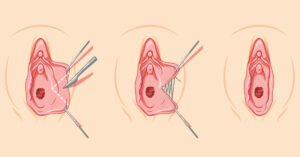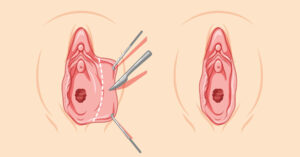
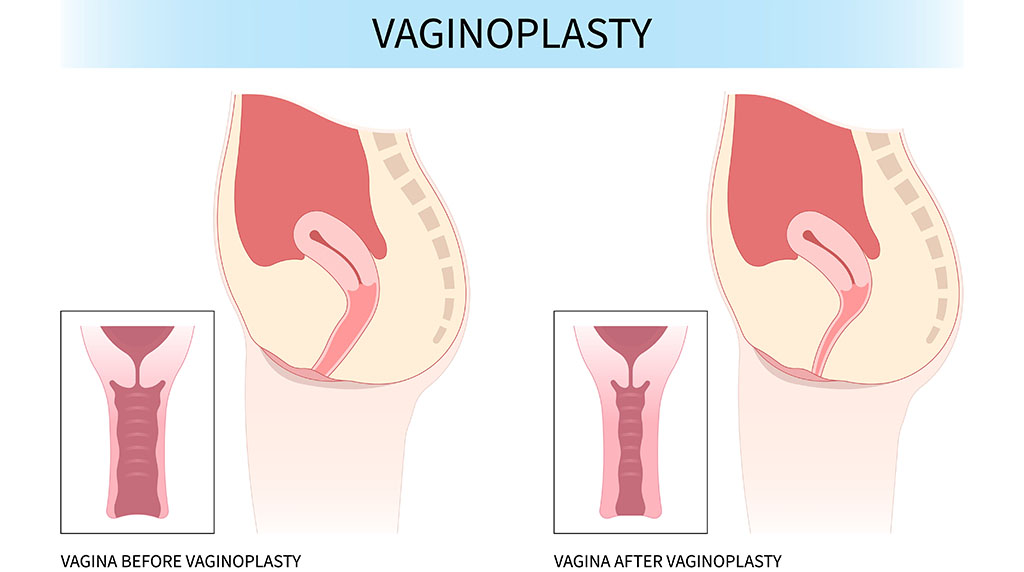
Vaginoplasty, in the context of vaginal rejuvenation and labiaplasty for cisgender women, refers to surgical procedures that restore or enhance the tone, appearance, and functional support of the vaginal canal and surrounding tissues. It may be performed to address vaginal laxity after childbirth, age-related tissue relaxation, or aesthetic concerns involving the labia.
Understanding the vaginoplasty recovery timeline is essential for realistic expectations and optimal healing. This guide explains the recovery from vaginoplasty week by week, based on established gynecologic surgery protocols and wound-healing science.
Understanding the Healing Process
Following vaginal rejuvenation surgery, tissues undergo predictable biological healing stages: hemostasis, inflammation, proliferation, and remodeling. Each contributes to wound closure, collagen formation, and long-term tissue strength.
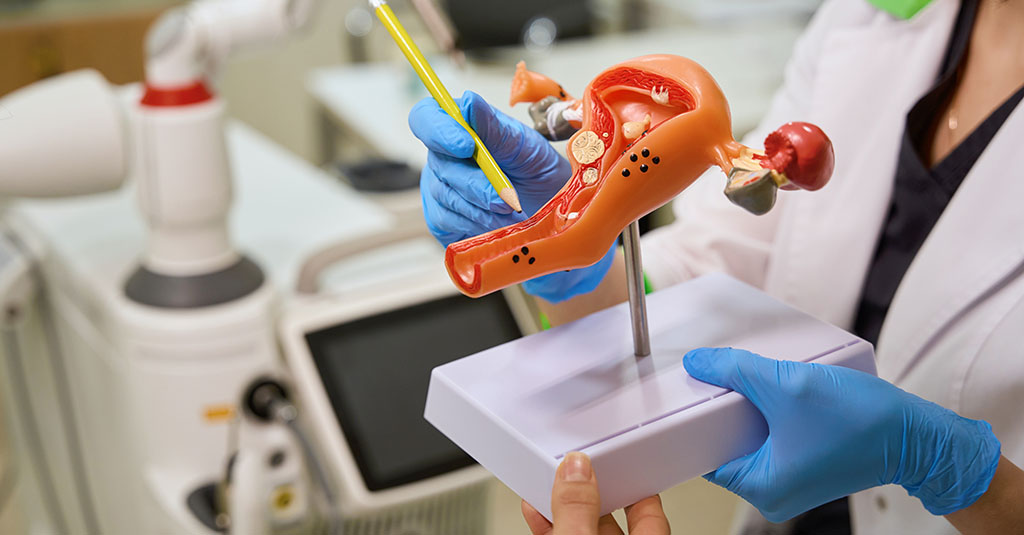
During the recovery time for vaginoplasty, tissues adapt to new tension, vascular supply, and collagen organization. Optimal healing depends on surgical precision, blood flow, hormonal balance, and adherence to postoperative care. Clinical data indicate that vaginoplasty after recovery continues for 6 to 12 months, with final tissue softness, elasticity, and sensitivity improving progressively during that time1.
The First 72 Hours: Hospital Care and Early Healing
Immediately after surgery, patients are monitored for bleeding, infection, and swelling. A urinary catheter may remain briefly to prevent strain on the incision. Mild bleeding and bruising are normal.
Pain and swelling typically peak within the first 48–72 hours. Cold compresses, rest, and keeping the pelvis slightly elevated help reduce inflammation. Surgeons prescribe pain relief, antibiotics, and stool softeners to prevent straining during bowel movements.
Sitting directly on the surgical site should be avoided. This stage marks the inflammatory phase, where immune cells and growth factors initiate tissue repair.
Week 1: Rest, Observation, and Controlled Care
The focus of week one is rest, incision hygiene, and inflammation control. Patients should avoid lifting heavy objects, bending, or vigorous activity. Sutures are delicate; wearing loose, breathable cotton underwear prevents friction. Gentle cleansing with saline or a surgeon-approved antiseptic wash helps prevent infection.
Nutritional support, particularly protein, vitamin C, and zinc, aids collagen synthesis and vascular healing. Mild spotting or clear discharge is normal as tissues stabilize.
Week 2: Early Mobility and Swelling Reduction
By the second week, most women notice reduced swelling and discomfort. Light walking is encouraged to improve circulation and lower the risk of deep vein thrombosis. Patients may begin to sit for short periods using a soft cushion or donut pillow. Most can resume non-strenuous household tasks. However, sexual intercourse, tampon use, swimming, and strenuous exercise remain restricted to prevent wound separation.
Tightness, mild itching, or firmness near the incision are normal as scar tissue begins to form beneath the surface.

Patients should still avoid sitting for prolonged periods or applying external pressure. Light showering is usually permitted, but baths remain restricted to prevent infection.
Weeks 3–4: Tissue Maturation and Comfort Restoration
During this period, sutures (if dissolvable) begin to resorb, and tissue strength improves. Swelling and bruising fade significantly, and discomfort is minimal. Light stretching and pelvic floor exercises may be introduced under medical supervision to promote blood flow and enhance vaginal firmness after childbirth.
Patients can typically return to office-based work and most light activities. However, they should still avoid direct pressure on the surgical area and follow surgeon-specific guidance for cleaning and topical treatments to support scar healing.
Month 2 (Weeks 5–8): Strength and Stability
At this point in the vaginoplasty recovery timeline, most patients experience marked improvement in comfort and tissue pliability. Scar tissue begins to remodel as fibroblasts align collagen fibers, improving elasticity and smoothness.
Mild tenderness may persist, but full daily mobility is usually restored. Some patients may be cleared for gentle exercise or yoga. Moisturizing ointments or silicone-based scar gels can help reduce surface tightness and improve healing quality.
This phase is also psychologically important— women often report greater confidence as swelling subsides and the aesthetic results become visible.
Month 3 (Weeks 9–12): Return To Normal Activities
By the third month, healing is typically 80–90% complete. Most patients are cleared to resume sexual activity once incisions are fully closed and discomfort-free.
Tissue sensitivity stabilizes, and scar softening continues. The recovery after vaginoplasty at this point allows return to full physical routines, including exercise, cycling, or swimming, provided there is no pain or pulling sensation.
Follow-up visits help ensure incisions are maturing well, with no hypertrophic scarring or asymmetry.
Beyond Three Months: Long-Term Vaginoplasty Post Recovery
Complete vaginoplasty post-recovery can extend beyond six months. The scar remodeling phase continues for up to one year, where collagen reorganization improves long-term elasticity, softness, and sensation2.

Proper hygiene, hydration, and pelvic floor exercises help sustain tissue health and prevent complications. Regular checkups ensure optimal outcomes and early identification of scar-related irregularities or granulation tissue.
Ongoing care includes:
- Using recommended moisturizers or estrogen creams (if prescribed) to support tissue hydration.
- Avoiding chronic irritation or pressure from tight clothing.
- Maintaining pelvic floor strength to preserve tone and function.
Attending regular follow-up visits for assessment.
Over time, patients typically observe continued improvement in comfort, contour, and vaginal tightness.
Tips for Optimizing the Vaginoplasty Recovery Process
- Follow all postoperative instructions precisely.
- Avoid alcohol and smoking, which reduce blood flow and delay healing.
- Maintain a high-protein diet with plenty of hydration.
- Rest adequately—fatigue can slow tissue repair.
- Report any unusual pain, discharge, or swelling promptly.
These practices contribute to safer, smoother recovery from vaginoplasty and improved long-term outcomes.
Potential Complications and Warning Signs
Although rare, complications can occur with any vaginal rejuvenation or vaginoplasty surgery. These include:
- Infection or wound dehiscence (reopening)
- Hematoma or fluid collection
- Prolonged numbness or asymmetry
- Excessive scarring or persistent pain
Prompt medical evaluation minimizes the risk of long-term issues and ensures continuity in the vaginoplasty recovery timeline3.
FAQs
1. What is the average recovery time for vaginoplasty?
The recovery time for vaginoplasty typically spans three to six months. Most patients can resume light activities by week four, but full tissue remodeling may take up to a year.
2. When can I resume sexual activity after vaginoplasty?
Sexual intercourse is typically permitted between 8 to 12 weeks, depending on healing and the surgical method used. Always consult your surgeon before resuming intimate activities.
3. How long will the results from vaginal rejuvenation last?
Results are long-lasting, especially when combined with pelvic floor strengthening and good hormonal balance. Aging and childbirth can gradually alter results, but revision is rarely needed if postoperative care is followed.
Embracing Healing and Long-Term Transformation
Successful vaginoplasty after recovery depends on the synergy of surgical skill, patient discipline, and individualized care. Each week of the vaginoplasty recovery timeline contributes to restoring firmness, comfort, and confidence.
With comprehensive care and realistic expectations, patients can look forward to a healthy and confident future following recovery after vaginoplasty.
At our advanced vaginal rejuvenation clinic in Michigan, we provide state-of-the-art vaginoplasty surgery using precise, minimally invasive techniques for exceptional results. Our compassionate team ensures comfort, privacy, and personalized care. We also offer flexible payment plans to make treatment accessible. Contact us today to schedule a personal consultation and begin your journey toward renewed confidence.
References
- Barbara, G., Facchin, F., Buggio, L., Alberico, D., Frattaruolo, M. P., & Kustermann, A. (2017). Vaginal rejuvenation: Current perspectives. International Journal of Women’s Health, 9, 513–519. https://doi.org/10.2147/IJWH.S99700
- Xue, M., & Jackson, C. J. (2015). Extracellular matrix reorganization during wound healing and its impact on abnormal scarring. Advances in Wound Care, 4(3), 119–136. https://doi.org/10.1089/wound.2013.0485
- Furnas, H. J., Canales, F. L., Pedreira, R. A., Comer, C., Lin,S. J., & Banwell, P. E. (2021). The safe practice of female genital plastic surgery. Plastic and Reconstructive Surgery–Global Open, 9(7), e3660. https://doi.org/10.1097/GOX.0000000000003660