Vaginal laxity is a medically recognized condition that commonly develops after childbirth and with age. Many women seek reliable information on how to tighten the vagina, especially when they notice changes in sensation, support, or confidence. These changes are not merely cosmetic. They often involve structural alterations in the pelvic floor muscles, connective tissue, and vaginal mucosa.
During vaginal delivery, the pelvic floor muscles stretch significantly to allow the baby to pass through the birth canal. In some cases, the muscles may become overstretched or partially detached, leading to reduced support and a loose vagina after birth. Aging further compounds this issue due to reduced estrogen levels, leading to thinning tissues and decreased collagen production.
For women seeking how to tighten the vagina after birth, it is important to understand that both muscular strength and tissue integrity play a role. Effective treatment approaches address one or both of these components.
Why the Vaginal Area Changes Over Time
Effects of Childbirth
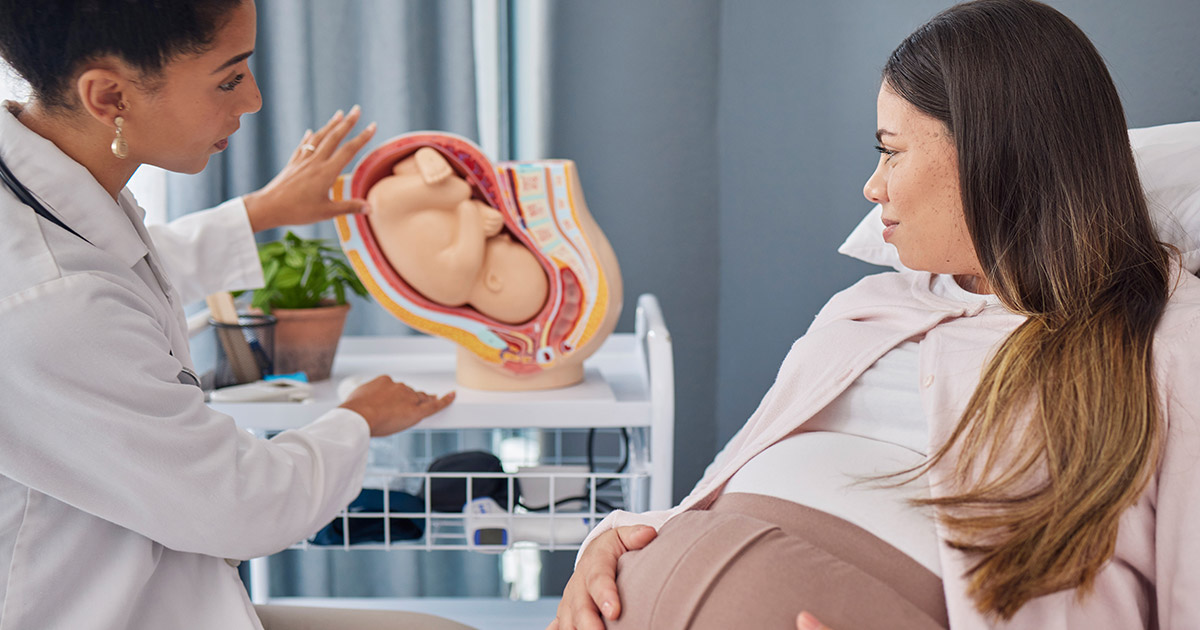
Childbirth is the most common cause of vaginal laxity. The stretching of muscles such as the levator ani can lead to reduced tone and support. In some cases, perineal tearing or episiotomy may contribute to long-term structural changes.
Women often search how to tighten the vagina after giving birth because the natural recovery process may not fully restore pre-pregnancy tightness. While some degree of healing occurs within months, muscle tone and elasticity may remain compromised without intervention.
Effects of Aging and Hormones
As estrogen levels decline with age, vaginal tissues lose elasticity and hydration. This results in thinning of the vaginal walls and reduced ability to contract effectively. These physiological changes are a major reason why many women explore ways to tighten the vagina later in life.
Other Contributing Factors
Additional contributors include multiple pregnancies, genetic predisposition, obesity, and lifestyle habits such as smoking. These factors can weaken connective tissue and further impact vaginal support.
Can You Actually Tighten the Vagina?
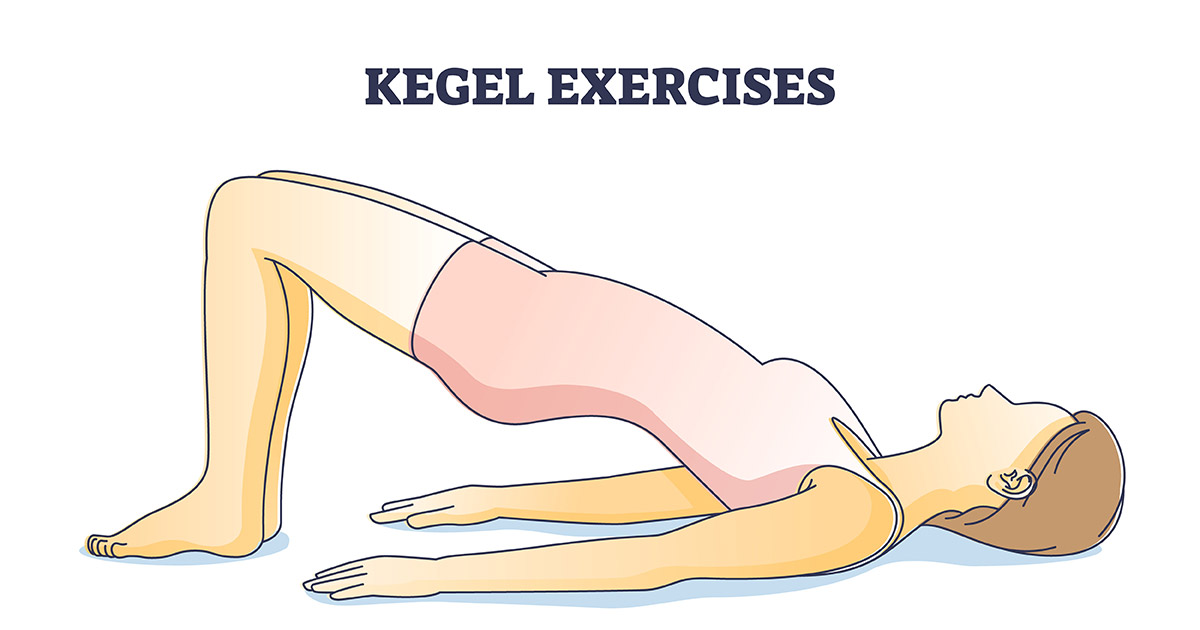
A common misconception is that the vagina can be permanently “tightened” through simple remedies. In reality, the vagina is a dynamic, elastic structure. When people ask how to make your vagina tighter, they are usually referring to improving muscle tone, enhancing tissue firmness, or both.
Scientific evidence shows that strengthening the pelvic floor can improve functional tightness1. However, structural laxity caused by childbirth or aging may require medical intervention for significant improvement. Understanding this distinction helps set realistic expectations when considering what can be used to tighten the vagina effectively.
Natural Approaches to Vaginal Tightening
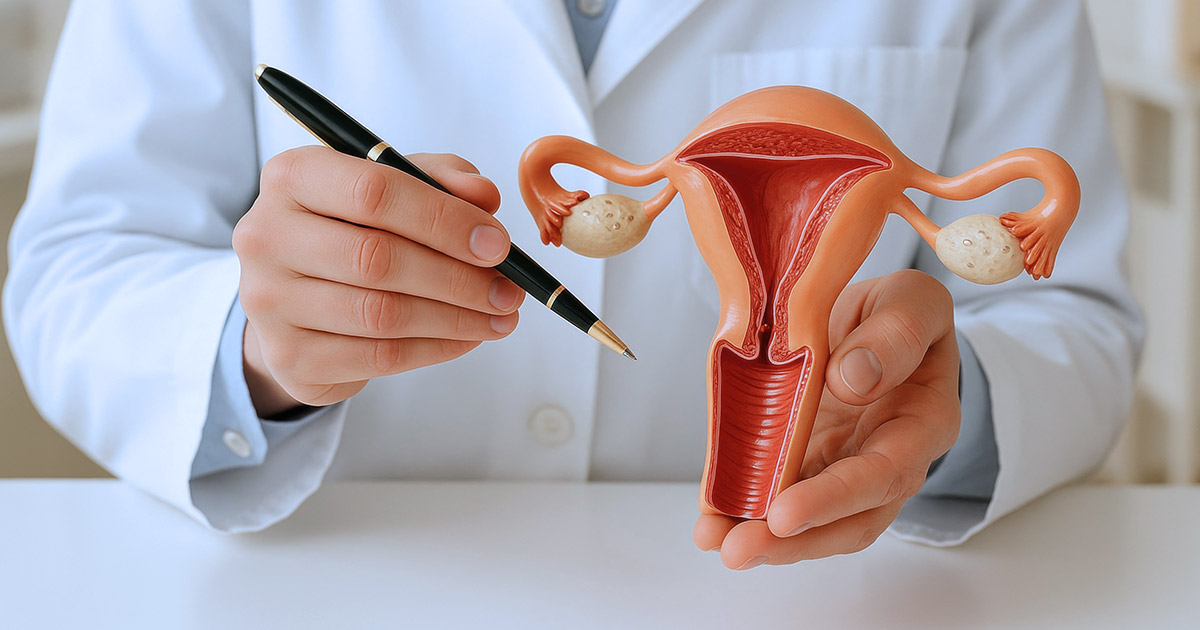
Pelvic Floor Exercises (Kegels)
Kegel exercises are some of the most effective methods for addressing mild vaginal laxity. These exercises involve repeated contraction and relaxation of the pelvic floor muscles. For women exploring how to tighten their vagina naturally, Kegels offer several benefits:
- Increased muscle tone
- Improved bladder control
- Enhanced sexual sensation
Consistency is critical. Studies show that performing Kegels daily for several months leads to measurable improvements in muscle strength2.
Pelvic Floor Physical Therapy
In more advanced cases, pelvic floor therapy guided by a trained physiotherapist can provide targeted rehabilitation. Techniques such as biofeedback and electrical stimulation help patients learn how to properly engage the correct muscles.
This approach is particularly helpful for women seeking vaginal tightening after childbirth who may struggle to perform exercises effectively on their own.
Lifestyle and Hormonal Support
Maintaining a healthy weight, engaging in core strengthening exercises, and addressing hormonal imbalances can support vaginal health. Adequate estrogen levels are essential for maintaining tissue elasticity and lubrication.
While these methods contribute to improvement, they may not fully resolve moderate to severe laxity.
Non-Surgical Vaginal Tightening Treatments
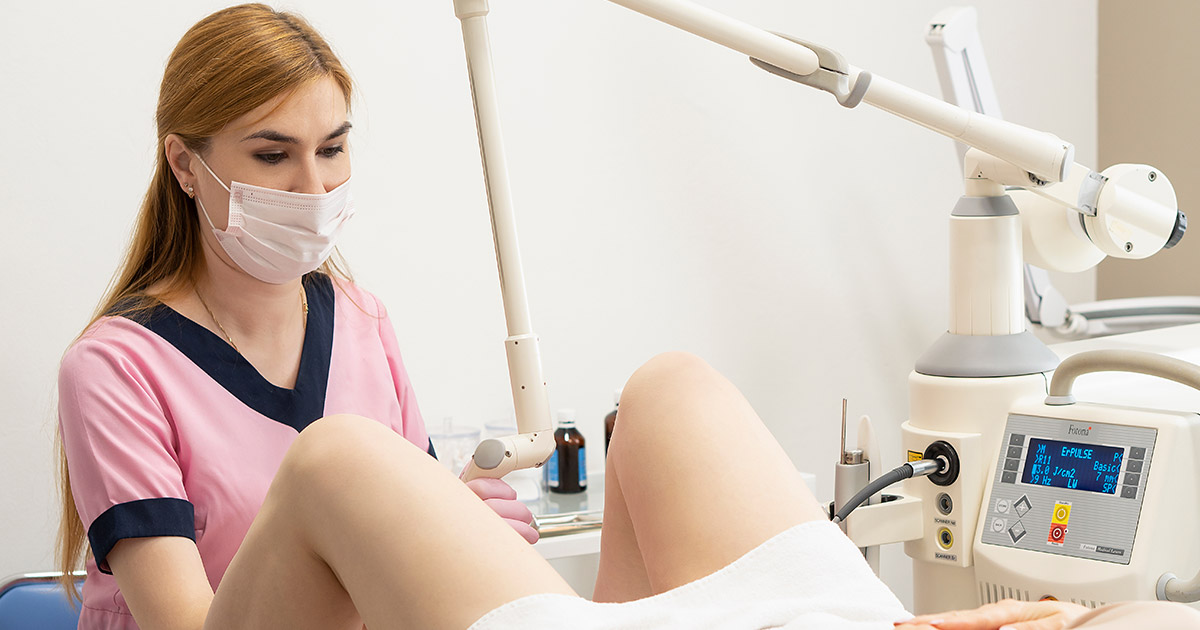
Non-invasive technologies have gained popularity as intermediate solutions between natural methods and surgery.
Laser Therapy
Laser-based treatments use controlled thermal energy to stimulate collagen production in vaginal tissues. This process improves elasticity and can enhance mild tightening.
Radiofrequency Treatments
Radiofrequency treatments deliver heat to deeper tissue layers, promoting collagen remodelling and improved firmness. These treatments are often recommended as solutions to women researching how to tighten the vagina without surgery.
Benefits and Limitations
Non-surgical treatments offer advantages such as minimal downtime and lower risk. However, their results are typically temporary and require multiple sessions. They are most effective for mild to moderate laxity. For patients with significant structural changes, these options may not provide sufficient improvement.
While widely used, energy-based vaginal treatments should be performed by qualified providers, and patients should be counselled on variable outcomes and evolving clinical evidence.
Surgical Vaginal Tightening: A Definitive Approach
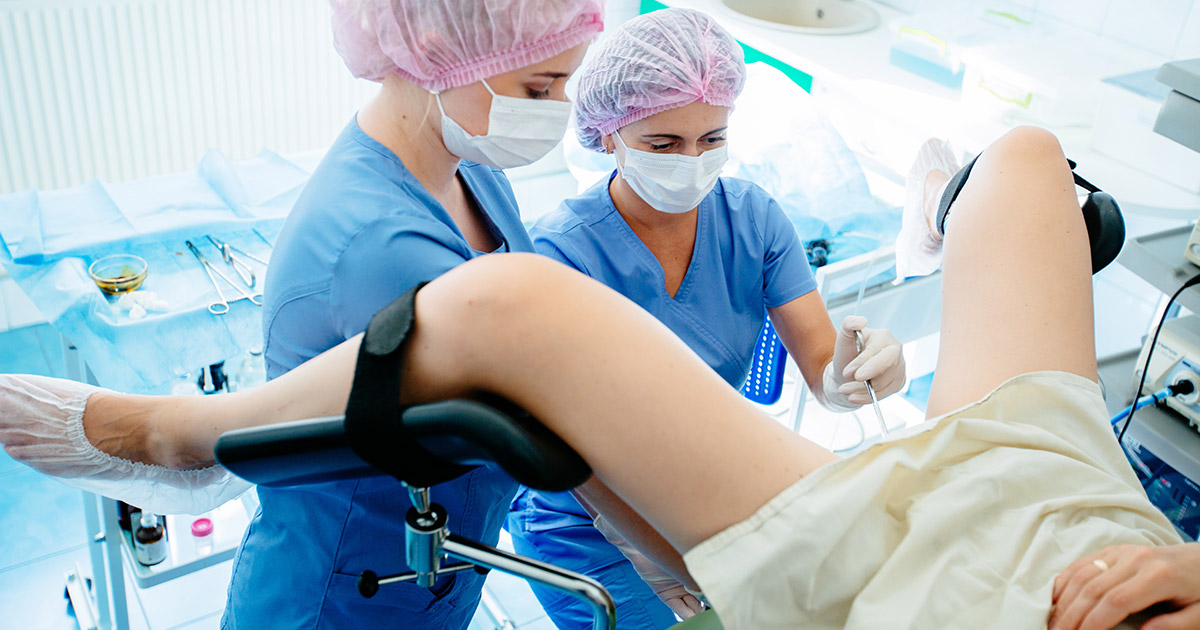
For women seeking long-lasting results, surgery remains the most effective option. This is where understanding what vaginoplasty is becomes essential.
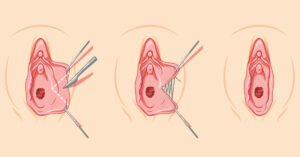
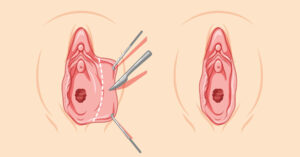
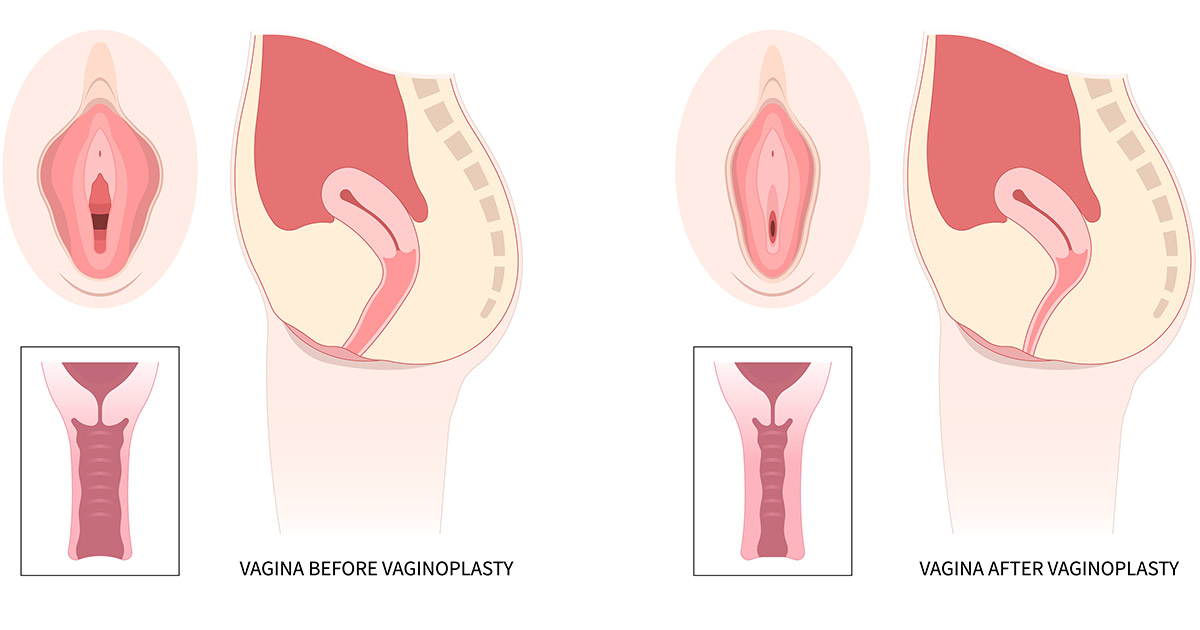
Vaginoplasty is a surgical procedure designed to restore vaginal tightness by repairing and tightening the underlying muscles and removing excess tissue. Unlike non-surgical treatments, it directly addresses structural laxity.
How Vaginoplasty Works
The procedure involves:
- Reapproximation of separated pelvic floor muscles
- Removal of redundant vaginal tissue
- Reconstruction of the vaginal canal
This approach restores both functional and anatomical support, making it a reliable solution for women experiencing a significantly loose vagina after birth.
Benefits
- Long-lasting results
- Improved muscle strength and support
- Enhanced sexual satisfaction and confidence
Women who have not achieved desired outcomes through natural or non-surgical methods often consider this option when exploring how to tighten the vagina after birth.
Ideal Candidates
Candidates typically include:
- Women with significant laxity after childbirth
- Individuals experiencing decreased sensation or support
- Patients who are dissatisfied with non-invasive treatments
Labiaplasty and Combined Treatments
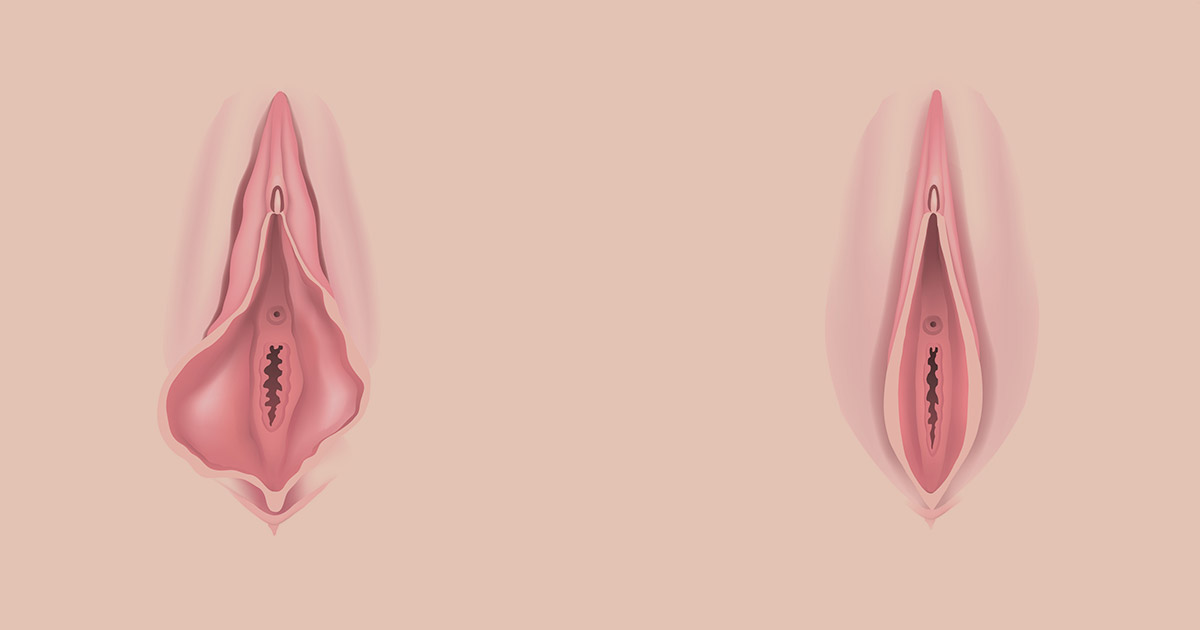
While vaginoplasty focuses on internal tightening, other vaginal rejuvenation procedures may address external concerns. Labiaplasty, for example, reshapes the labia for improved comfort and aesthetics.
In many cases, patients choose a combination of procedures to achieve comprehensive results. This holistic approach addresses both function and appearance.
Risks and Considerations
Every treatment option carries potential risks, and informed decision-making is essential.
Surgical Risks
- Infection
- Scarring
- Temporary discomfort during recovery
Non-Surgical Risks
- Mild irritation
- Inconsistent results
- Need for repeated treatments
Choosing a qualified, experienced provider significantly reduces risks and improves outcomes.
When Should You Seek Treatment?

The right time to pursue treatment depends on individual goals and symptoms. Women often research how to tighten their vagina after giving birth when they notice persistent laxity months after delivery.
Treatment may be appropriate when:
- Natural recovery is incomplete
- Symptoms affect quality of life
- There is decreased confidence or comfort
A professional consultation can help determine the most suitable approach based on anatomy and expectations.
Choosing the Right Specialist
Selecting a qualified provider is critical for safety and results. Look for:
- Board-certified surgeons with expertise in cosmetic gynecology
- Experience in both surgical and non-surgical treatments
- A personalized approach to patient care
A thorough evaluation ensures that the chosen method aligns with your specific needs, whether you are exploring ways to tighten the vagina naturally or considering surgical options.
Frequently Asked Questions
Can exercises alone solve vaginal laxity?
Pelvic floor exercises like Kegels can significantly improve muscle tone and support, especially in mild cases. However, they do not repair stretched tissues or separated muscles, so moderate to severe vaginal laxity often requires additional medical or procedural treatments.
Are non-surgical treatments permanent?
Non-surgical vaginal tightening treatments stimulate collagen and improve tissue firmness, but results are not permanent. Most patients require periodic maintenance sessions, as natural aging and hormonal changes continue to affect vaginal tissue over time.
Is surgery safe?
Vaginoplasty is considered safe when performed by a qualified, board-certified specialist. Like any surgery, it carries some risks, but proper patient selection, surgical expertise, and post-operative care significantly reduce complications and improve outcomes.
What is the best option overall?
The most effective option depends on the degree of laxity and individual goals. Mild cases may improve with exercises or non-invasive treatments, while moderate to severe laxity often benefits most from surgical correction for long-lasting, reliable results.
Restoring Confidence and Function with the Right Approach
Addressing vaginal laxity is not just about aesthetics. It is about restoring function, comfort, and confidence. Whether you are researching how to tighten your vagina naturally, exploring non-invasive therapies, or considering surgical solutions, there are effective options available.
Understanding the underlying causes and choosing the right treatment ensures optimal outcomes. A personalized consultation with an experienced specialist can help you determine the most appropriate path forward and achieve meaningful, lasting results.
Expert Care for Vaginal Rejuvenation and Aesthetic Enhancement
At Alinea Labiaplasty & Vaginoplasty Michigan, we offer advanced vaginal rejuvenation procedures tailored to your unique needs. Our experienced specialists focus on safety, precision, and natural-looking results. If you are considering any intimate wellness treatment, contact us today to schedule a private consultation and explore your options.
References
- Curillo-Aguirre CA, Gea-Izquierdo E. Effectiveness of Pelvic Floor Muscle Training on Quality of Life in Women with Urinary Incontinence: A Systematic Review and Meta-Analysis. Medicina (Kaunas). 2023 May 23;59(6):1004. doi: 10.3390/medicina59061004. PMID: 37374208; PMCID: PMC10301414.
- Huang YC, Chang KV. Kegel Exercises. [Updated 2023 May 1]. In: StatPearls [Internet]. Treasure Island (FL): StatPearls Publishing; 2026 Jan-. Available from: https://www.ncbi.nlm.nih.gov/books/NBK555898/